

César E. Chávez’s birthday is on March 31st and I would like to explore a bit of historical information before we celebrate his legacy and that of the united farmworker movement. I would also like to take a moment to ponder what Chávez would think of the progress or lack there of when it comes to farmworker human rights almost 23 years after his death.
According to the United Farmworker Organization, in May of 1972 and a decade after César Chávez started the United Farmworkers Movement (UFW), Legislature in his home state of Arizona pushed through a bill sponsored by agribusiness denying farmworkers the right to strike and boycott during harvest seasons, and effectively making it impossible for them to organize.
The UFW asked to meet with Republican Governor Jack Williams, to appeal for him to veto the legislations. Instead, the governor ordered state troopers to bring him the bill and he signed it within an hour after the passage. In response to the protest by farmworkers, the governor remarked, “As far as I’m concerned, those people don’t exist.” When news of the law’s enactment reached him, César, with UFW co-founder Dolores Huerta by his side, returned to Arizona and began a 25-day water-only fast and so Chávez’s legacy began to grow.
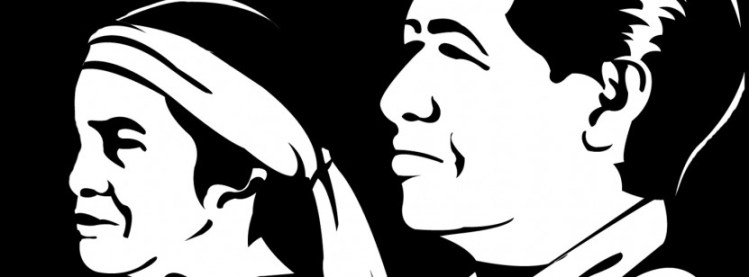
“As far as I’m concerned, those people don’t exist.” – Governor Jack Williams
There is much more to Chávez and the UFW’s rich history but the decision to respond to the governor by taking action tells us a lot about Chávez’s will, passion, and loyalty to farmworkers and their movement. Understanding the UFW and Chávez’s history is important; particularly as the end of March gets closer and we look to honor Chávez by holding dinners, rallies, marches and asking local politicians to speak in his honor as they claim to support farmworkers and Latinos simply by showing up.
Chávez and farmworkers often faced and opposed politicians and law enforcement that clearly stated that they believed farmworkers did not deserve human rights. Jack Williams didn’t believe that farmworkers even existed; essentially refusing to believe that they were people. In 2016, farmworkers face a tougher challenge because there are local, state, and federal politicians and police officers who claim to stand with Latinos and claim to support farmworker communities but do little to nothing to actually help them as they often face the same or more challenging struggles that they faced when Chávez was picketing and organizing.
In Frank Bardacke’s written and definitive biography of César Chávez, he describes Chávez as a man of action. Chávez organized and led boycotts, strikes, fasted, and indulged in self-sacrifice during tough bargaining. He also exercised ruthless central union control, not allowing organizing initiatives to develop without his approval. Chávez wasn’t perfect but he stood up for what he believed in and organized people to peacefully stand together. As community leaders today we should stand together and remember César but we should also remember that the fight for farmworker rights is far from over and that action is still required.
I believe we should remember more than César E. Chávez’s name and legacy. We should stop pretending that Chávez and the UFW beat the system. We should honor leaders like Chávez and Huerta by standing together and shedding light on current farmworker issues. We need to use our platform to call young people to action. Taking action is, after all, what Chávez would want us to do. So let’s take a moment to stop applauding local politicians at rallies and marches and let’s ask them how they plan to help farmworkers and their families. If politicians truly want to help, they should provide a plan of action or at the very least, ask us to help them create one. I believe that if Chávez was alive today, he would ask difficult questions and take appropriate action when required.
We need to do a better job of including current farmworkers and their families at our rallies, marches, and dinners. We need to give current farmworkers a platform and allow them to educate our politicians at these events. If we choose to ignore or leave farmworkers out of Chávez rallies, marches, and social gatherings, we are doing exactly what former governor Jack Williams did; we are pretending they don’t exist.
 Modos
Modos 